| Quantity: | |
|---|---|


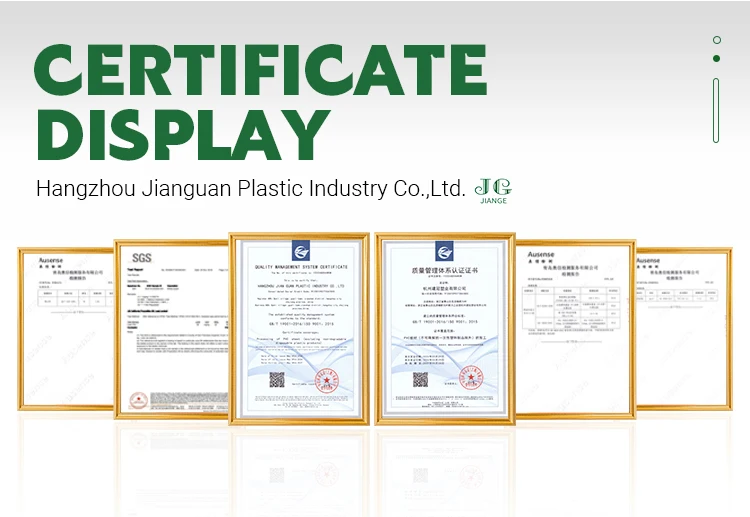
Engineered specifically for modern door manufacturing, our WPC (Wood-Plastic Composite) foam board represents a significant leap in material science. This innovative composite meticulously blends natural wood fibers and plant-based fillers with advanced thermoplastics, such as polyethylene, polypropylene, or polyvinyl chloride. The resulting material captures the organic, tactile warmth of natural timber while introducing the structural resilience of modern polymers. Designed to meet the rigorous demands of commercial door production, our boards undergo strict quality control protocols. Every panel is certified by CE and ISO9001 standards, ensuring consistent reliability across large production runs. Furthermore, we prioritize environmental safety: our formula guarantees a 100% formaldehyde-free and zero-lead composition, eliminating the release of any harmful substances. This makes the material exceptionally safe for interior environments while delivering the structural integrity required for heavy-traffic architectural projects.
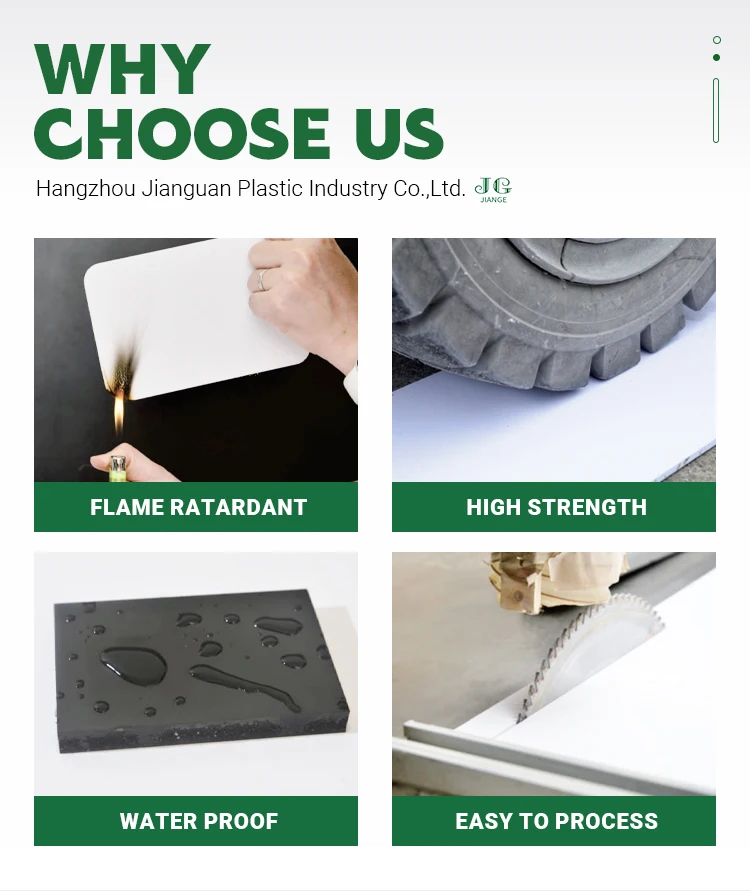
Unlike traditional natural wood, which is inherently vulnerable to moisture absorption, our WPC foam board delivers outstanding dimensional stability. It is highly resistant to moisture, rot, mold proliferation, and insect infestations—common issues that typically degrade standard timber materials over time. At the core of its physical and technical properties is an optimized density that provides superior structural integrity. Key performance indicators include:
Whether exposed to heavy rain, intense sunlight, or rapid temperature fluctuations, the boards maintain their precise thickness and form. This engineered resilience extends the service life of the doors to typically two to three times longer than those made from untreated wood, making it ideal for exterior cladding, patio flooring, and demanding architectural applications.

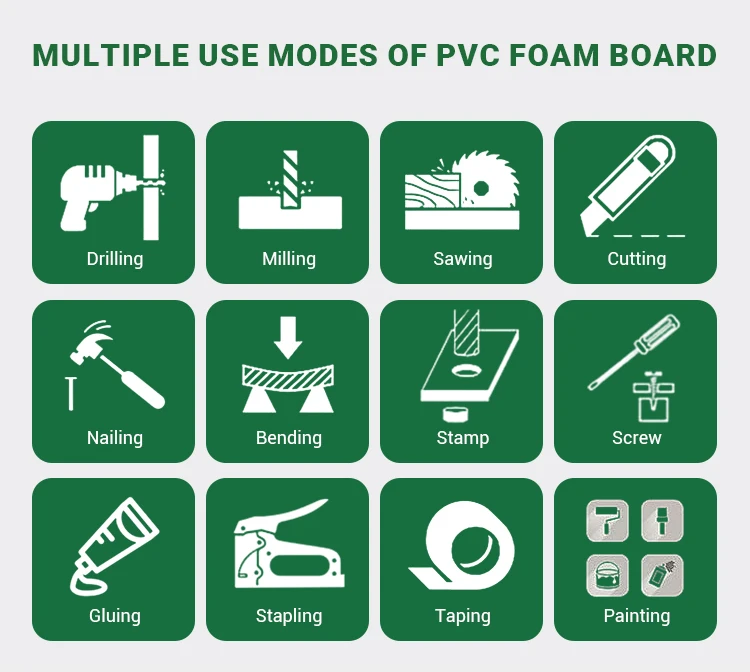
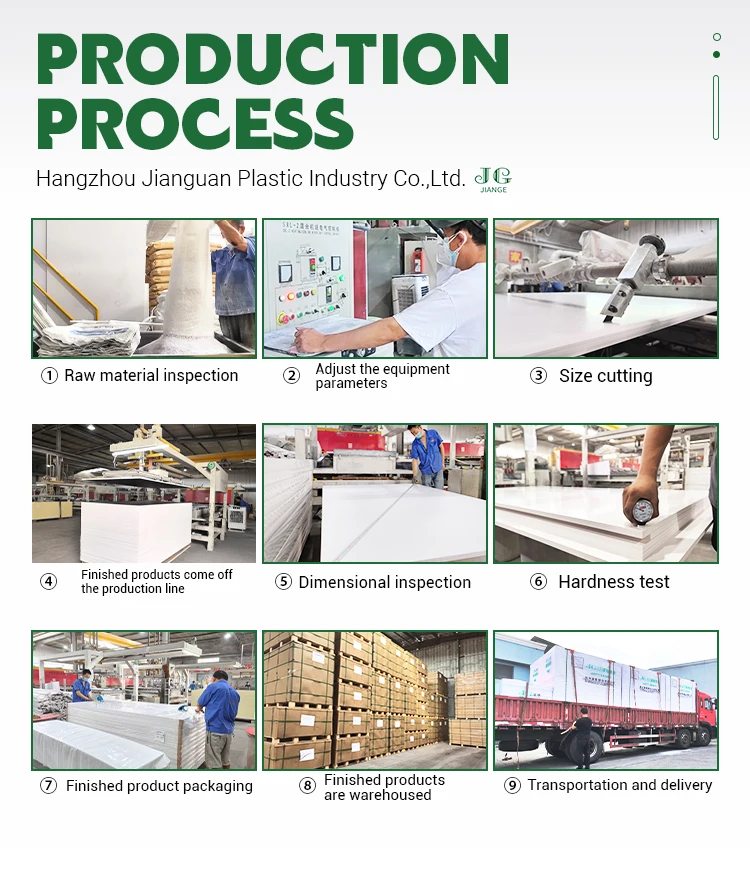
One of the most significant advantages for door manufacturers is the exceptional processing and installation convenience. Despite its dense, robust core, the material remains surprisingly lightweight. It features remarkable nail-holding power, ensuring that hinges, locks, and hardware stay firmly anchored over decades of daily use. Production teams can utilize conventional woodworking tools to saw, cut, drill, and nail the boards without investing in specialized machinery. When cut, the edges remain crisp, solid, and smooth, entirely free from the splintering often associated with raw timber. This seamless secondary processing drastically improves manufacturing efficiency and reduces labor overhead. For the end-user, maintenance is virtually effortless. The non-porous surface eliminates the need for time-consuming and costly upkeep tasks such as painting, staining, sealing, or frequent deep cleaning. Routine maintenance requires only a simple wipe with water and a mild detergent, preserving the pristine finish while minimizing long-term upkeep expenses and safety risks.
As environmental regulations become stricter globally, selecting sustainable building materials is paramount for modern construction projects. Our WPC foam board is an environmentally responsible choice, manufactured primarily from repurposed wood fibers—such as sawdust and wood chips recovered from industrial manufacturing waste—combined with recycled thermoplastics like packaging scraps and plastic bottles. By transforming these waste elements into premium building materials, we significantly reduce the reliance on virgin timber, thereby helping to lower deforestation rates and diverting plastic waste from overflowing landfills. The manufacturing process itself is optimized to minimize carbon emissions, aligning perfectly with green building standards. At the end of its impressive life cycle, the composite material remains fully recyclable, creating a closed-loop system that minimizes ecological impact. This makes it an exemplary foundation for eco-friendly indoor environments, sustainable landscape edging, and green-certified residential developments.
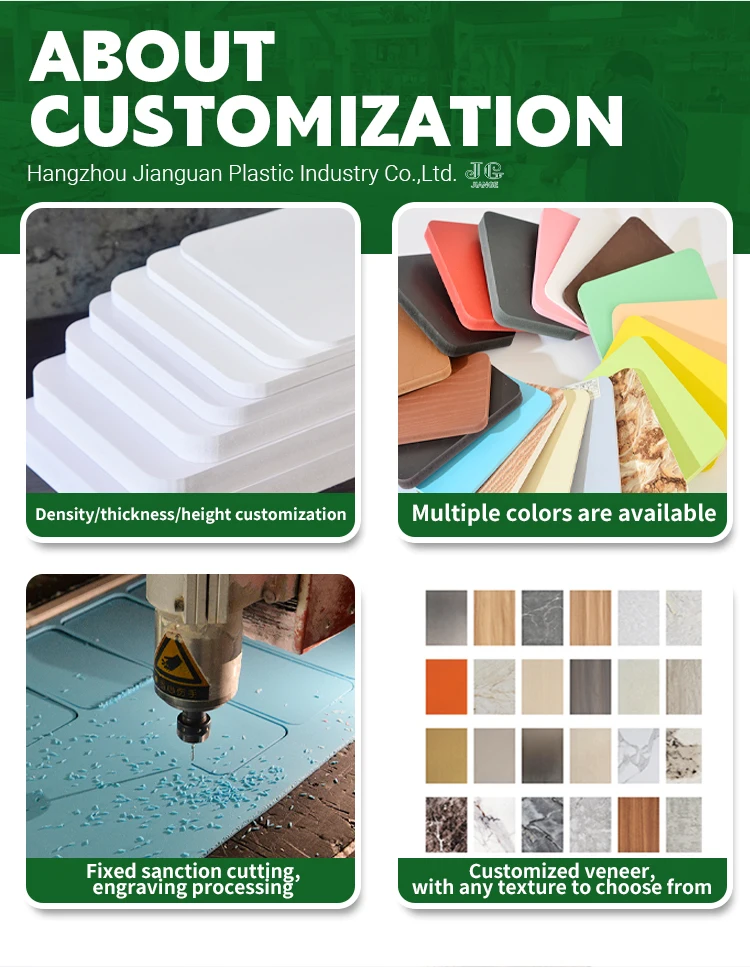
Architectural projects demand flexibility, and our WPC foam boards deliver unparalleled versatile design options. Through advanced extrusion and molding techniques, the material can be shaped into a wide array of profiles, textures, and finishes. We offer extensive customization and deep OEM/ODM services tailored to specific manufacturing requirements, ensuring an exact match for diverse design needs.
| Thickness Customization | Strictly controllable between 3mm and 40mm to suit various door core and panel applications. |
| Density Control | Adjustable density levels to balance weight and structural rigidity perfectly. |
| Surface Aesthetics | Engineered to mimic the intricate grain of natural woods (oak, pine, teak) or finished in sleek solid colors. |
| Functional Additives | Accepts specialized anti-UV agents and enhanced fire retardants for extreme environments. |
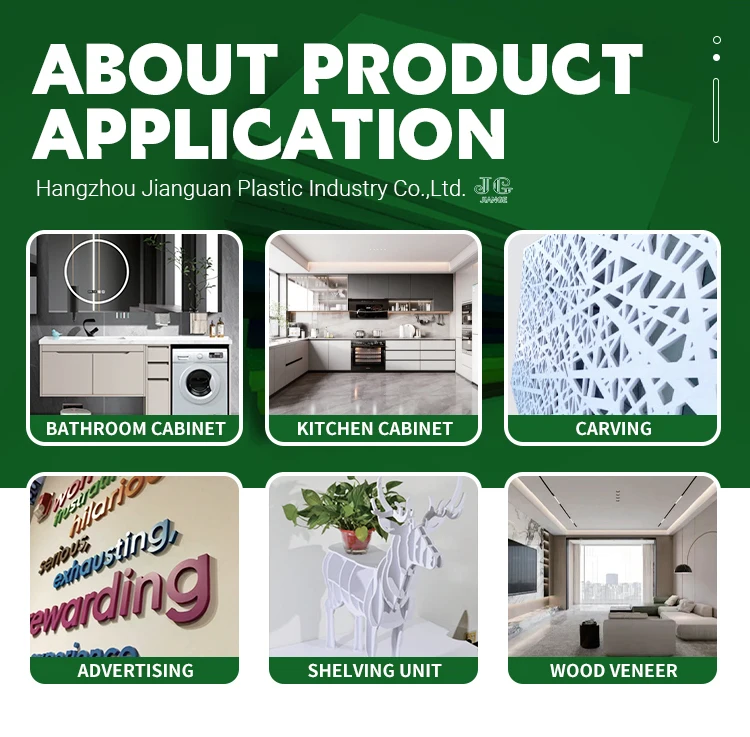
This level of adaptability makes the material suitable not only for interior and exterior doors but also for kitchen cabinets, decorative trim, and automotive interior components.
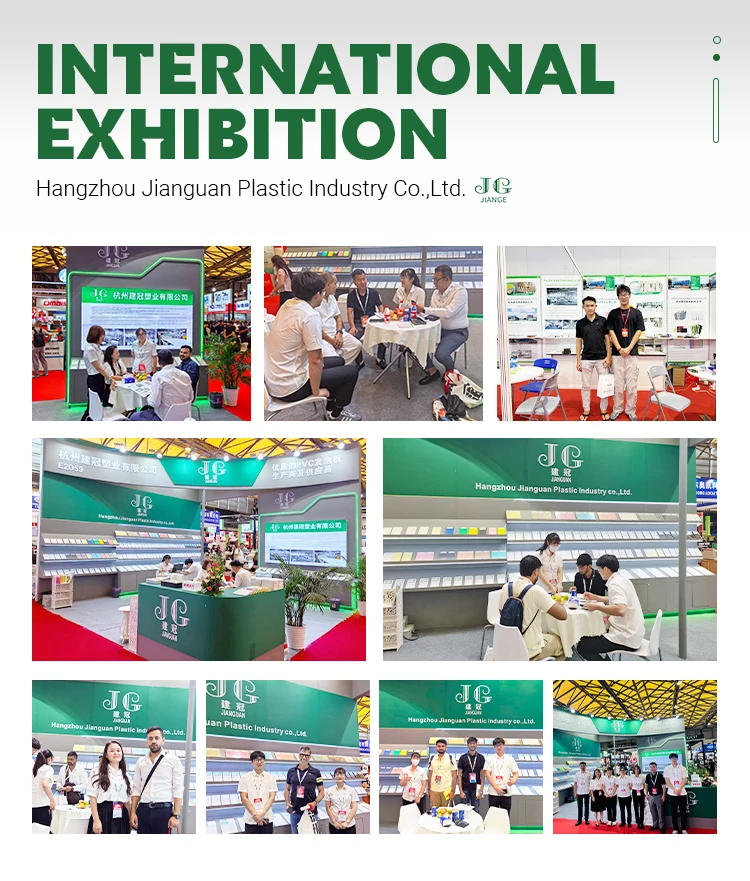
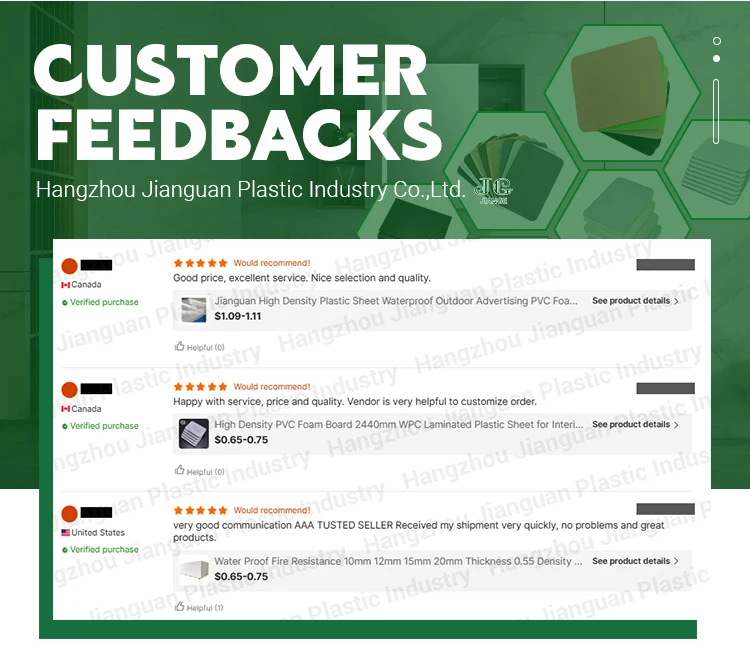
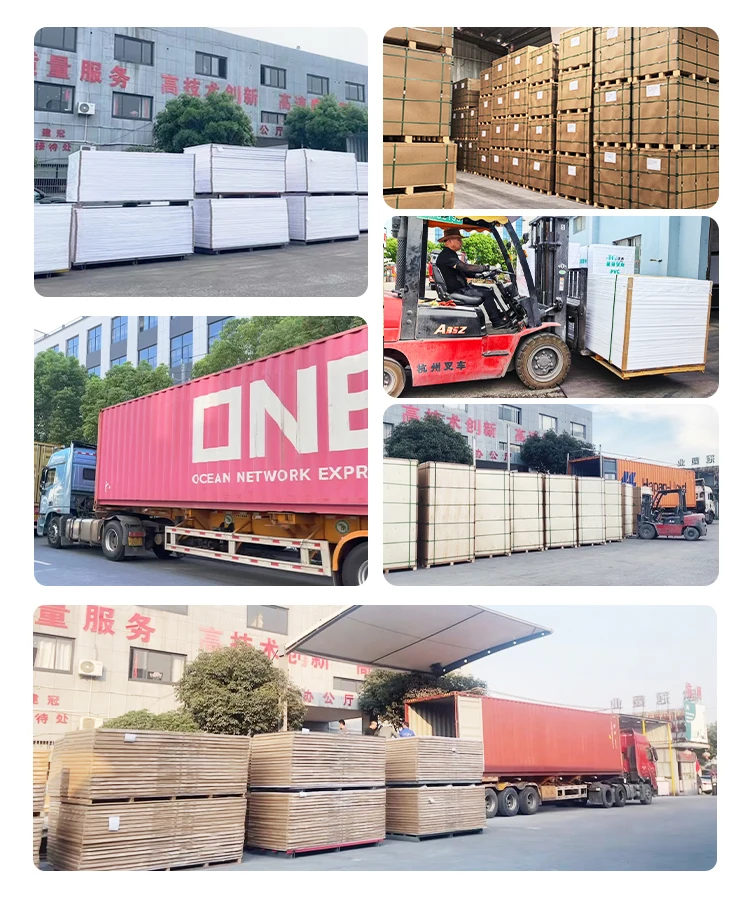
While the initial investment in premium WPC may be slightly higher than purchasing low-grade natural wood, the long-term economic benefits are undeniable. The extended 15 to 25-year service life, combined with minimal maintenance requirements, translates to a substantially lower total cost of ownership over time. It eradicates the recurring expenses associated with restorative painting, weather-sealing, or the premature replacement of rotting parts, making it a highly cost-efficient option for both residential and commercial development projects. Beyond the product itself, we provide a robust foundation for your procurement strategy. Backed by a massive manufacturing base equipped with fully automated extrusion production lines, we possess the capacity to fulfill large-volume global orders with unwavering consistency. This powerful supply chain ensures punctual delivery, safeguarding your project timelines. Coupled with our 7x24 all-weather response team, comprehensive one-stop sourcing solutions, and expert technical application guidance, we significantly reduce operational risks and streamline the purchasing experience for large-scale buyers.