| Availability: | |
|---|---|
| Quantity: | |
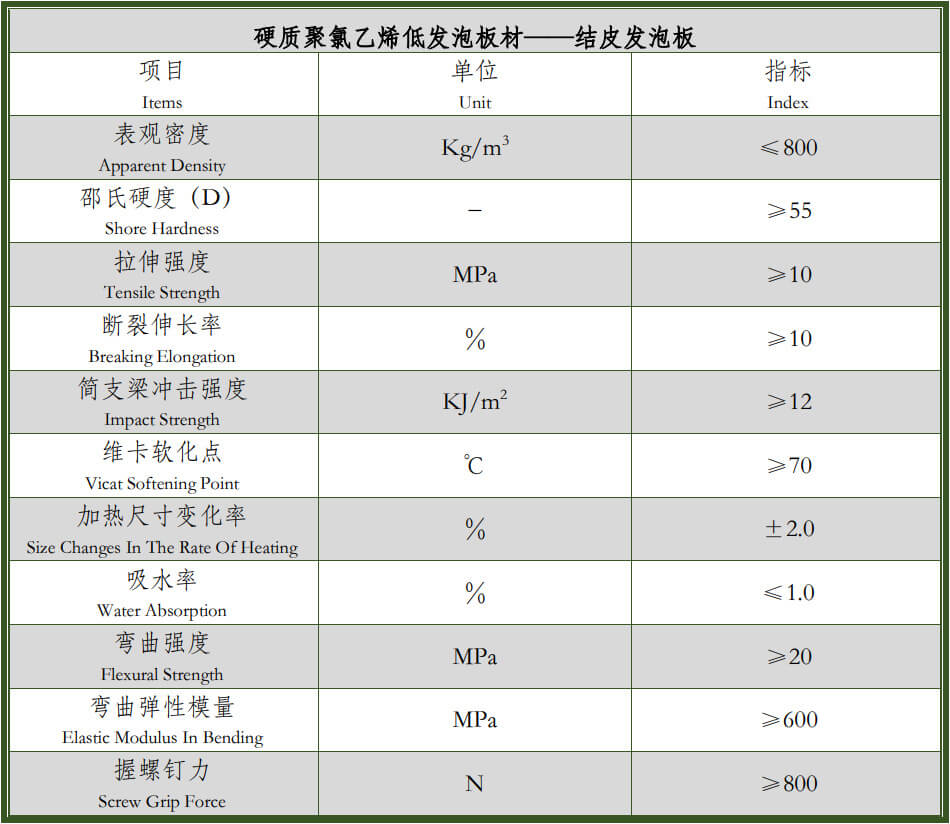
With a density range of 0.6–0.8g/cm³ (adjustable based on application needs: 0.6g/cm³ for lightweight components, 0.8g/cm³ for heavy-duty parts) and customizable thicknesses from 3mm to 30mm (standard sizes include 6mm, 12mm, 18mm, and 25mm), it adapts to everything from thin cabinet backs (3mm–6mm) to heavy-duty shelves (25mm–30mm). Manufactured via a precision foaming process (using high-pressure nitrogen to create uniform closed cells), it features a closed-cell structure that repels water (absorption <0.3% after 24 hours), resists chemicals (including acids, alkalis, and solvents), and prevents mold growth (no fungal growth in ASTM D2017 testing). Certified by CE (for European safety standards), RoHS (for hazardous substance restrictions), and FDA (for food-contact compatibility), it meets strict standards for indoor air quality (formaldehyde <0.01mg/m³), fire safety (Class B1 rating), and food safety—making it suitable for kitchens, bathrooms, labs, and healthcare facilities. Its consistent quality (no knots, voids, or warping) and workability (compatible with all standard woodworking tools) make it a preferred alternative to wood, MDF, or solid plastic in modern cabinetry—offering the best of strength, durability, and versatility.
All-Around Durability for Long-Term Use
Engineered to resist scratches (ASTM D3363 pencil hardness test: 2H–3H), impacts (Izod impact strength 10–20kJ/m², depending on density), and corrosion from household chemicals (e.g., cooking oil, vinegar, bleach) and industrial solvents (e.g., isopropyl alcohol, acetone). In accelerated aging tests (simulating 20 years of use), it maintains its appearance and structural integrity—ensuring cabinets look new and function well for 15–20 years with minimal maintenance. Unlike wood (which fades, rots, or attracts insects) or MDF (which swells when wet), it is not affected by pests (termite-resistant) or moisture—making it a low-maintenance option for busy environments.
Eco-Friendly Composition for Sustainable Projects
Contains up to 30% recycled PVC (post-consumer and post-industrial waste) without compromising strength—reducing reliance on virgin materials and lowering carbon footprint. It is 100% recyclable at the end of its lifespan (through specialized PVC recycling programs), where it can be ground into pellets and reused to produce new PVC products (e.g., pipes, fittings, or low-load-bearing foam boards). Free from formaldehyde, lead, cadmium, and phthalates (all restricted by RoHS and FDA), it contributes to healthy indoor air quality and is safe for use in homes with children, pets, or sensitive individuals. It also meets LEED (Leadership in Energy and Environmental Design) certification requirements—helping architects and builders achieve green building goals.
Thermal & Sound Insulation for Enhanced Comfort
The closed-cell foam core reduces heat transfer by 30% compared to solid PVC or wood—enhancing energy efficiency when used in refrigerated cabinets (e.g., restaurant coolers) or cabinets near exterior walls (reducing condensation and heat loss). In residential kitchens, this means less energy is needed to keep food cold in pantry cabinets or to maintain comfortable temperatures near exterior walls. The foam core also absorbs sound—reducing noise transmission by 10–15 decibels (compared to wood) when used as cabinet doors or drawer fronts. This makes it ideal for bedrooms (closet doors that close quietly), kitchens (reducing the sound of clattering dishes inside cabinets), and offices (storage cabinets that don’t amplify noise).
Residential & Commercial Cabinetry for Everyday Use
Used for all cabinet components—including cabinet boxes (the structural frame), doors (flat-panel, shaker, or custom designs), shelves (adjustable or fixed), and drawer components (bottoms, sides, and fronts)—in kitchens, bathrooms, offices, and healthcare facilities. In residential kitchens, it is popular for its moisture resistance (ideal for under-sink cabinets) and easy maintenance (no repainting needed). In commercial offices, it is used for filing cabinets and storage cabinets—withstanding frequent opening and closing and heavy use. In healthcare facilities (hospitals, clinics), it is used for medical supply cabinets—thanks to its easy sanitization (compatible with hospital-grade disinfectants) and chemical resistance (to medical solvents).
Specialty Storage for Challenging Environments
Ideal for laboratory cabinets (storing acids, alkalis, and other chemicals)—as it resists corrosion from 10% hydrochloric acid, 10% sodium hydroxide, and other common lab reagents (tested to ASTM D543). For outdoor kitchens (patio or backyard cooking areas), it withstands rain, humidity, and temperature fluctuations—outperforming wood and MDF. In bathroom vanities, it resists moisture from showers and sinks—preventing mold growth and warping. It is also used for cleanroom cabinets (in electronics or pharmaceutical manufacturing)—as its non-porous surface does not trap dust or particles, meeting ISO 14644-1 cleanroom standards.
Custom Millwork for Unique Designs
Enables intricate designs like routed panels (for raised-panel cabinet doors), raised edges (for a premium look), and decorative cutouts (for cable management, glass inserts, or LED lighting). It can be thermoformed into curved shapes (at 120°C–150°C) for organic designs—such as arched cabinet tops, curved island fronts, or rounded drawer fronts. For high-end residential projects (e.g., luxury homes or custom villas), it can be finished with wood veneers, laminates, or paints to match any decor style—from traditional to modern. In retail showrooms (furniture or electronics stores), it is used for custom display cabinets—with custom sizes and finishes to highlight products and match brand aesthetics.
Q: What thickness is recommended for cabinet doors?
A: For standard cabinet doors (kitchen, bathroom, or office), 12mm–18mm provides the best balance of weight, rigidity, and aesthetic appeal. 12mm is suitable for small doors (width <60cm, height <80cm), while 18mm is better for larger doors (width >60cm, height >80cm) to prevent sagging. For heavy-duty doors (e.g., garage storage cabinets, lab doors), 25mm thickness is recommended for maximum strength. The density can also be adjusted: 0.7g/cm³ for standard doors, 0.8g/cm³ for heavy-duty doors.
Q: Can it be painted with latex or oil-based paints?
A: Yes, its smooth surface (Ra <0.8μm) accepts most latex (water-based) and oil-based paints with proper preparation. To ensure good adhesion: 1) Clean the board with mild soap and water to remove dust or grease; 2) Sand lightly with 240-grit sandpaper (to create a slightly rough surface); 3) Apply a primer (optional, but recommended for better color coverage and adhesion). Most paints will dry evenly and not peel—even with frequent cleaning. Unlike MDF, it does not absorb paint excessively—requiring only 1–2 coats for full coverage.
Q: How does it handle direct contact with water?
A: It absorbs less than 0.3% water by weight after 24 hours of direct contact (ASTM D570)—making it suitable for under-sink cabinets, shower niches, and outdoor cabinets. Even after 72 hours of immersion in water, it shows no swelling (dimensional change <0.1%) or structural damage. For areas with constant water exposure (e.g., shower niches), it is recommended to seal all cut edges with PVC edge banding to prevent moisture from seeping into the foam core—extending its lifespan further.
With a density range of 0.6–0.8g/cm³ (adjustable based on application needs: 0.6g/cm³ for lightweight components, 0.8g/cm³ for heavy-duty parts) and customizable thicknesses from 3mm to 30mm (standard sizes include 6mm, 12mm, 18mm, and 25mm), it adapts to everything from thin cabinet backs (3mm–6mm) to heavy-duty shelves (25mm–30mm). Manufactured via a precision foaming process (using high-pressure nitrogen to create uniform closed cells), it features a closed-cell structure that repels water (absorption <0.3% after 24 hours), resists chemicals (including acids, alkalis, and solvents), and prevents mold growth (no fungal growth in ASTM D2017 testing). Certified by CE (for European safety standards), RoHS (for hazardous substance restrictions), and FDA (for food-contact compatibility), it meets strict standards for indoor air quality (formaldehyde <0.01mg/m³), fire safety (Class B1 rating), and food safety—making it suitable for kitchens, bathrooms, labs, and healthcare facilities. Its consistent quality (no knots, voids, or warping) and workability (compatible with all standard woodworking tools) make it a preferred alternative to wood, MDF, or solid plastic in modern cabinetry—offering the best of strength, durability, and versatility.
All-Around Durability for Long-Term Use
Engineered to resist scratches (ASTM D3363 pencil hardness test: 2H–3H), impacts (Izod impact strength 10–20kJ/m², depending on density), and corrosion from household chemicals (e.g., cooking oil, vinegar, bleach) and industrial solvents (e.g., isopropyl alcohol, acetone). In accelerated aging tests (simulating 20 years of use), it maintains its appearance and structural integrity—ensuring cabinets look new and function well for 15–20 years with minimal maintenance. Unlike wood (which fades, rots, or attracts insects) or MDF (which swells when wet), it is not affected by pests (termite-resistant) or moisture—making it a low-maintenance option for busy environments.
Eco-Friendly Composition for Sustainable Projects
Contains up to 30% recycled PVC (post-consumer and post-industrial waste) without compromising strength—reducing reliance on virgin materials and lowering carbon footprint. It is 100% recyclable at the end of its lifespan (through specialized PVC recycling programs), where it can be ground into pellets and reused to produce new PVC products (e.g., pipes, fittings, or low-load-bearing foam boards). Free from formaldehyde, lead, cadmium, and phthalates (all restricted by RoHS and FDA), it contributes to healthy indoor air quality and is safe for use in homes with children, pets, or sensitive individuals. It also meets LEED (Leadership in Energy and Environmental Design) certification requirements—helping architects and builders achieve green building goals.
Thermal & Sound Insulation for Enhanced Comfort
The closed-cell foam core reduces heat transfer by 30% compared to solid PVC or wood—enhancing energy efficiency when used in refrigerated cabinets (e.g., restaurant coolers) or cabinets near exterior walls (reducing condensation and heat loss). In residential kitchens, this means less energy is needed to keep food cold in pantry cabinets or to maintain comfortable temperatures near exterior walls. The foam core also absorbs sound—reducing noise transmission by 10–15 decibels (compared to wood) when used as cabinet doors or drawer fronts. This makes it ideal for bedrooms (closet doors that close quietly), kitchens (reducing the sound of clattering dishes inside cabinets), and offices (storage cabinets that don’t amplify noise).
Residential & Commercial Cabinetry for Everyday Use
Used for all cabinet components—including cabinet boxes (the structural frame), doors (flat-panel, shaker, or custom designs), shelves (adjustable or fixed), and drawer components (bottoms, sides, and fronts)—in kitchens, bathrooms, offices, and healthcare facilities. In residential kitchens, it is popular for its moisture resistance (ideal for under-sink cabinets) and easy maintenance (no repainting needed). In commercial offices, it is used for filing cabinets and storage cabinets—withstanding frequent opening and closing and heavy use. In healthcare facilities (hospitals, clinics), it is used for medical supply cabinets—thanks to its easy sanitization (compatible with hospital-grade disinfectants) and chemical resistance (to medical solvents).
Specialty Storage for Challenging Environments
Ideal for laboratory cabinets (storing acids, alkalis, and other chemicals)—as it resists corrosion from 10% hydrochloric acid, 10% sodium hydroxide, and other common lab reagents (tested to ASTM D543). For outdoor kitchens (patio or backyard cooking areas), it withstands rain, humidity, and temperature fluctuations—outperforming wood and MDF. In bathroom vanities, it resists moisture from showers and sinks—preventing mold growth and warping. It is also used for cleanroom cabinets (in electronics or pharmaceutical manufacturing)—as its non-porous surface does not trap dust or particles, meeting ISO 14644-1 cleanroom standards.
Custom Millwork for Unique Designs
Enables intricate designs like routed panels (for raised-panel cabinet doors), raised edges (for a premium look), and decorative cutouts (for cable management, glass inserts, or LED lighting). It can be thermoformed into curved shapes (at 120°C–150°C) for organic designs—such as arched cabinet tops, curved island fronts, or rounded drawer fronts. For high-end residential projects (e.g., luxury homes or custom villas), it can be finished with wood veneers, laminates, or paints to match any decor style—from traditional to modern. In retail showrooms (furniture or electronics stores), it is used for custom display cabinets—with custom sizes and finishes to highlight products and match brand aesthetics.
Q: What thickness is recommended for cabinet doors?
A: For standard cabinet doors (kitchen, bathroom, or office), 12mm–18mm provides the best balance of weight, rigidity, and aesthetic appeal. 12mm is suitable for small doors (width <60cm, height <80cm), while 18mm is better for larger doors (width >60cm, height >80cm) to prevent sagging. For heavy-duty doors (e.g., garage storage cabinets, lab doors), 25mm thickness is recommended for maximum strength. The density can also be adjusted: 0.7g/cm³ for standard doors, 0.8g/cm³ for heavy-duty doors.
Q: Can it be painted with latex or oil-based paints?
A: Yes, its smooth surface (Ra <0.8μm) accepts most latex (water-based) and oil-based paints with proper preparation. To ensure good adhesion: 1) Clean the board with mild soap and water to remove dust or grease; 2) Sand lightly with 240-grit sandpaper (to create a slightly rough surface); 3) Apply a primer (optional, but recommended for better color coverage and adhesion). Most paints will dry evenly and not peel—even with frequent cleaning. Unlike MDF, it does not absorb paint excessively—requiring only 1–2 coats for full coverage.
Q: How does it handle direct contact with water?
A: It absorbs less than 0.3% water by weight after 24 hours of direct contact (ASTM D570)—making it suitable for under-sink cabinets, shower niches, and outdoor cabinets. Even after 72 hours of immersion in water, it shows no swelling (dimensional change <0.1%) or structural damage. For areas with constant water exposure (e.g., shower niches), it is recommended to seal all cut edges with PVC edge banding to prevent moisture from seeping into the foam core—extending its lifespan further.


Excellent Screw Holding Strength
High-density formulation (0.55–0.65 g/cm³) significantly enhances screw grip strength, ensuring reliable and sturdy cabinet installation.
Superior screw pull-out strength confirmed by tests; performance rivals solid wood substrates in quick-release metrics.
Unique foaming process endows the board with exceptional retention for screws and staples, boosting installation efficiency and durability.
High-Density Closed-Cell Structure for Outstanding Durability
Closed-cell foam structure effectively isolates moisture and contaminants, preventing swelling or aging.
Exceptional bending/impact resistance proportional to density, ensuring structural stability during daily use and handling.
Superior Water/Moisture Resistance & Chemical Corrosion Protection
Inherently waterproof/moisture-resistant, maintaining dimensional and performance stability even in humid environments.
Non-toxic eco-friendly formula highly resistant to household cleaners, oils, etc., preserving cabinet aesthetics.
Special additives enhance chemical corrosion resistance for diverse application scenarios.
Lightweight & Easy Processing
~27% lighter than solid wood or MDF of equivalent thickness, reducing handling/installation burdens.
Supports multiple processes: Sawing, punching, thermoforming, CNC machining—no specialized molds needed, shortening production cycles.
Customizable via screen/digital printing, surface coating, etc., fulfilling personalized design needs.
Smooth, Flat Surface for Premium Decoration
Uniformly smooth surface ideal for printing/lamination, meeting high-end cabinets’ stringent aesthetic requirements.
Anti-scratch treatment enhances wear resistance and longevity, maintaining a pristine appearance.
Customization Capability & Quality Assurance
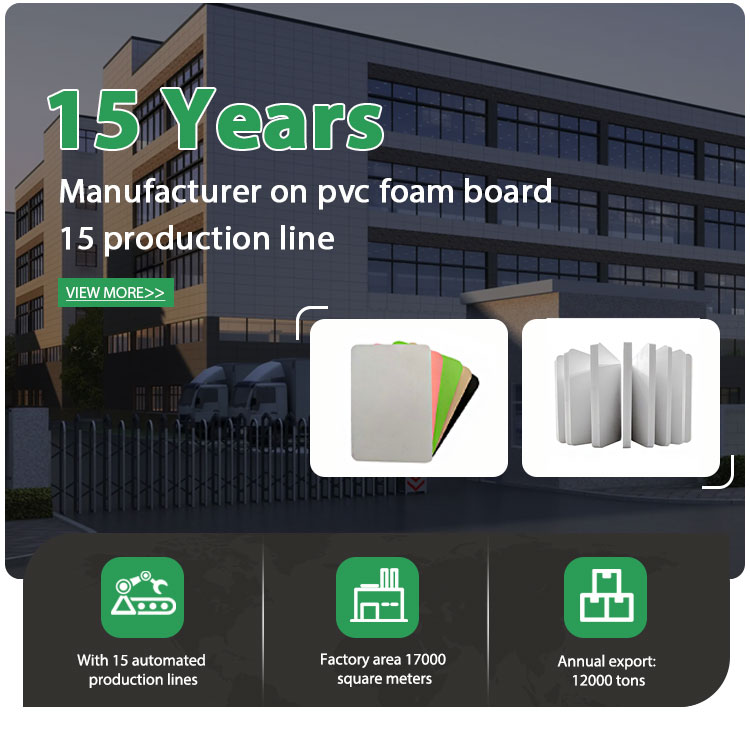
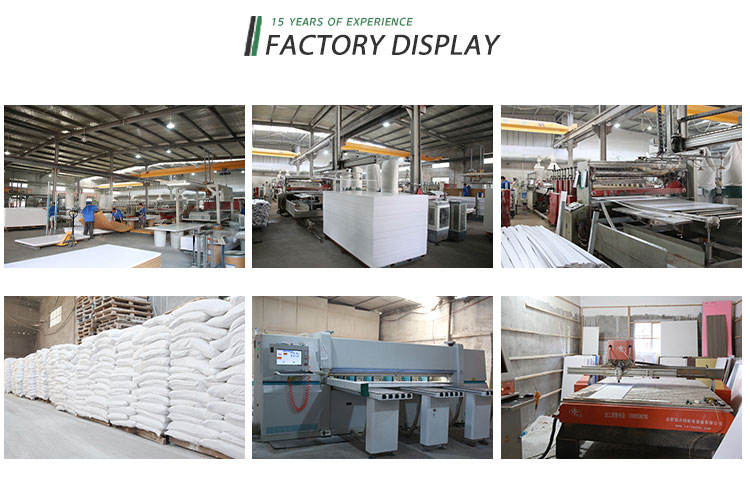
13 advanced production lines and rigorous quality control ensure compliance with international standards.
Flexible adjustments in dimensions, thickness, color, and functional formulations for precise customization.
13 years of expertise, 130-ton daily capacity, and 120+ specialists guarantee consistent delivery quality.

Excellent Screw Holding Strength
High-density formulation (0.55–0.65 g/cm³) significantly enhances screw grip strength, ensuring reliable and sturdy cabinet installation.
Superior screw pull-out strength confirmed by tests; performance rivals solid wood substrates in quick-release metrics.
Unique foaming process endows the board with exceptional retention for screws and staples, boosting installation efficiency and durability.
High-Density Closed-Cell Structure for Outstanding Durability
Closed-cell foam structure effectively isolates moisture and contaminants, preventing swelling or aging.
Exceptional bending/impact resistance proportional to density, ensuring structural stability during daily use and handling.
Superior Water/Moisture Resistance & Chemical Corrosion Protection
Inherently waterproof/moisture-resistant, maintaining dimensional and performance stability even in humid environments.
Non-toxic eco-friendly formula highly resistant to household cleaners, oils, etc., preserving cabinet aesthetics.
Special additives enhance chemical corrosion resistance for diverse application scenarios.
Lightweight & Easy Processing
~27% lighter than solid wood or MDF of equivalent thickness, reducing handling/installation burdens.
Supports multiple processes: Sawing, punching, thermoforming, CNC machining—no specialized molds needed, shortening production cycles.
Customizable via screen/digital printing, surface coating, etc., fulfilling personalized design needs.
Smooth, Flat Surface for Premium Decoration
Uniformly smooth surface ideal for printing/lamination, meeting high-end cabinets’ stringent aesthetic requirements.
Anti-scratch treatment enhances wear resistance and longevity, maintaining a pristine appearance.
Customization Capability & Quality Assurance
13 advanced production lines and rigorous quality control ensure compliance with international standards.
Flexible adjustments in dimensions, thickness, color, and functional formulations for precise customization.
13 years of expertise, 130-ton daily capacity, and 120+ specialists guarantee consistent delivery quality.
Here are five frequently asked questions and concise answers (≈50 words each) about our PVC and WPC product range:
Q: Can I customize board thickness, size, and color?
A: Yes. We offer PVC foam, WPC, co‑extruded, and laminated boards in thicknesses from 1 mm to 25 mm, sheet sizes up to 2050 × length‑to‑order, and unlimited color/textures. Minimum order quantities apply. Lead times vary by specification but typically range from 7–14 days for standard offerings.
Q: How do your boards perform in humid or outdoor environments?
A: All our PVC foam and WPC boards have low water absorption (< 1.5 %) and high dimensional stability (± 0.5 %). WPC and co‑extruded boards feature UV‑resistant skins and rot‑proof cores. They withstand sun, rain, and moisture without warping, mold, or delamination—ideal for signage, decking, and marine interiors.
Q: Are your boards fire‑safe and easy to install?
A: Yes. Our PVC foam and co‑extruded boards self‑extinguish within 5 seconds (no drip), meeting CMHR and UL94 V‑0 standards upon request. Screw‑holding strength ≥ 750 N and compatibility with standard woodworking tools (CNC, routers, saws) ensure swift, secure installation in commercial and residential projects.
Q: What is the typical lead time and shipping process?
A: Standard products (stock colors, common sizes) ship within 7–10 days. Custom colors or laminates require 10–14 days. We handle packaging in reinforced pallets or crates, with export‑grade wrapping. FOB Ningbo or Shanghai ports; DAP/DDP terms available. Transit to Europe or North America typically takes 20–30 days by sea.
Q: How do you ensure consistent quality and compliance?
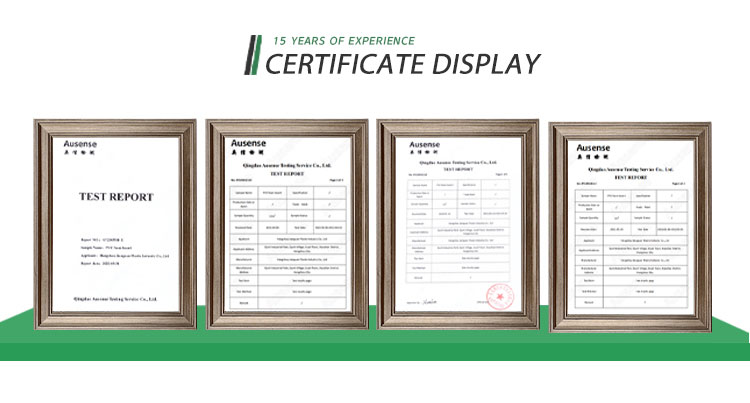
A: Since 2012, our ISO‑certified factory has 13 production lines and daily output of 120 tons. We perform in‑line and final QC tests on density, mechanical strength, dimension tolerance, and surface finish. Optional third‑party inspections (SGS, TÜV) and material certificates (REACH, RoHS) are provided for peace of mind.
Here are five frequently asked questions and concise answers (≈50 words each) about our PVC and WPC product range:
Q: Can I customize board thickness, size, and color?
A: Yes. We offer PVC foam, WPC, co‑extruded, and laminated boards in thicknesses from 1 mm to 25 mm, sheet sizes up to 2050 × length‑to‑order, and unlimited color/textures. Minimum order quantities apply. Lead times vary by specification but typically range from 7–14 days for standard offerings.
Q: How do your boards perform in humid or outdoor environments?
A: All our PVC foam and WPC boards have low water absorption (< 1.5 %) and high dimensional stability (± 0.5 %). WPC and co‑extruded boards feature UV‑resistant skins and rot‑proof cores. They withstand sun, rain, and moisture without warping, mold, or delamination—ideal for signage, decking, and marine interiors.
Q: Are your boards fire‑safe and easy to install?
A: Yes. Our PVC foam and co‑extruded boards self‑extinguish within 5 seconds (no drip), meeting CMHR and UL94 V‑0 standards upon request. Screw‑holding strength ≥ 750 N and compatibility with standard woodworking tools (CNC, routers, saws) ensure swift, secure installation in commercial and residential projects.
Q: What is the typical lead time and shipping process?
A: Standard products (stock colors, common sizes) ship within 7–10 days. Custom colors or laminates require 10–14 days. We handle packaging in reinforced pallets or crates, with export‑grade wrapping. FOB Ningbo or Shanghai ports; DAP/DDP terms available. Transit to Europe or North America typically takes 20–30 days by sea.
Q: How do you ensure consistent quality and compliance?
A: Since 2012, our ISO‑certified factory has 13 production lines and daily output of 120 tons. We perform in‑line and final QC tests on density, mechanical strength, dimension tolerance, and surface finish. Optional third‑party inspections (SGS, TÜV) and material certificates (REACH, RoHS) are provided for peace of mind.