| Quantity: | |
|---|---|


Wood-Plastic Composite (WPC) foam board represents a significant material advancement for commercial construction, architectural design, and industrial manufacturing. By fusing resilient wood fibers and plant-based fillers with advanced thermoplastics (such as polyethylene, polypropylene, or polyvinyl chloride) through precision-engineered extrusion, this material delivers the tactile warmth and aesthetic appeal of natural timber while completely eliminating its inherent vulnerabilities to moisture and decay. Available in diverse structural formats—including dense Celuka and multi-layered co-extrusion boards—this material is engineered to meet exacting project specifications. Whether utilized in high-traffic commercial environments or demanding exterior applications, it provides a structurally sound, dimensionally stable foundation that resists warping, swelling, or degradation over decades of continuous use.
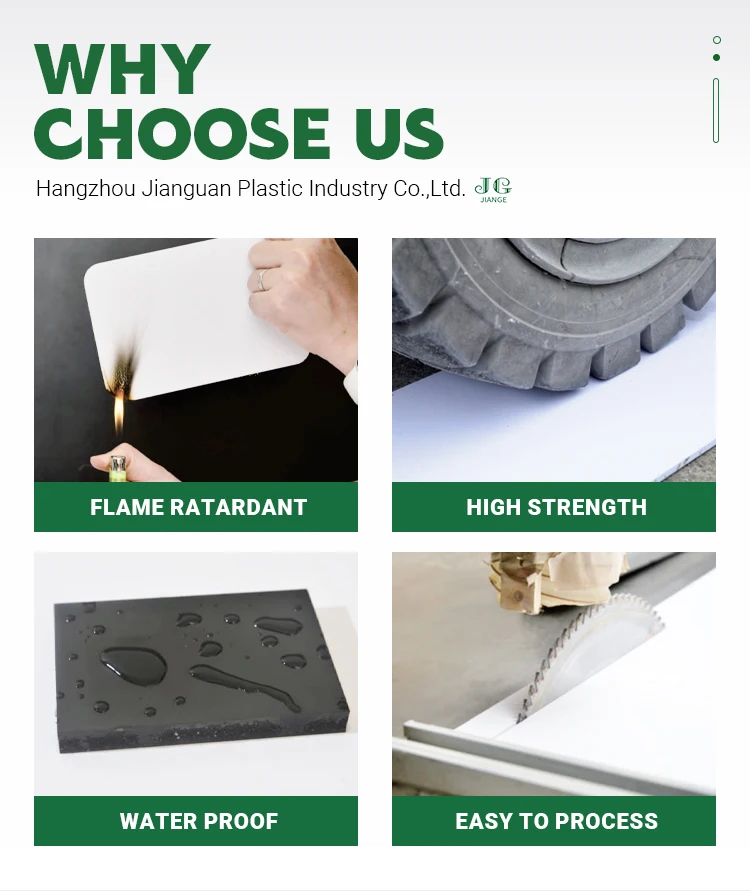
Unlike natural wood which inevitably succumbs to environmental stressors, this WPC foam board is rigorously tested for extreme conditions. It features an industrial-grade fire retardant composition that significantly slows flame spread, providing critical safety margins for large-scale architectural projects and public facilities. Furthermore, the dense internal cellular structure offers absolute resistance to moisture penetration, mold growth, acid and alkali chemical corrosion, and termite infestations. When running a hand across the surface, the rigid, unyielding texture confirms its high impact resistance. It maintains structural integrity through heavy rain, intense UV exposure, and severe temperature fluctuations without cracking or fading, ensuring a remarkable service life of 15–25 years—typically 2–3 times longer than conventional untreated timber.
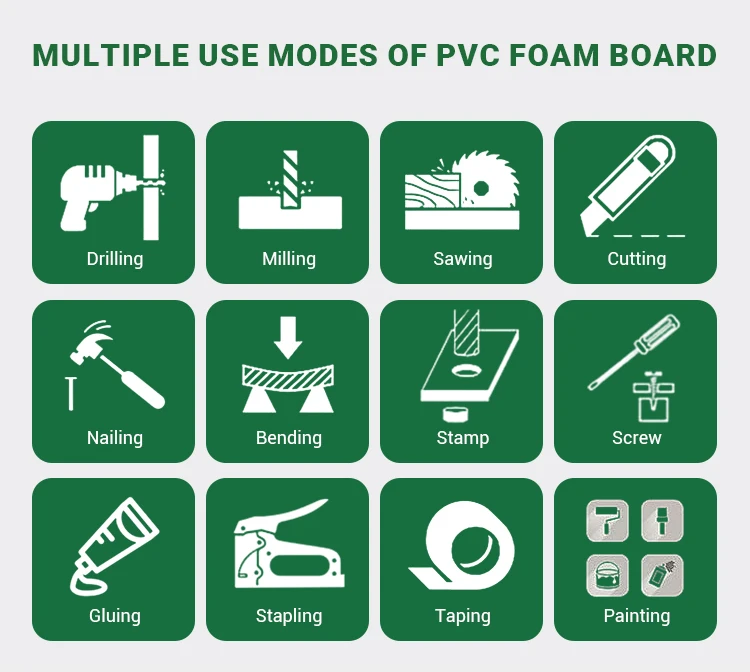
One of the most compelling advantages for fabrication teams is the material's outstanding workability combined with near-zero maintenance requirements. WPC completely eliminates the need for time-consuming upkeep tasks such as painting, staining, sealing, or frequent deep cleaning; routine care requires only a simple wipe with water and mild detergent. During fabrication, the board boasts superior nail-holding power, preventing the frustrating pull-outs common with standard plastics. The material can be effortlessly subjected to CNC routing, precision cutting, drilling, and fastening. It produces smooth, clean cuts without splintering, reducing safety risks for end-users, and machines without emitting the acrid smoke often associated with synthetic composites. For installation, it seamlessly integrates with standard construction methods, supporting both traditional mechanical fastening via structural keels and modern seamless bonding with structural adhesives, drastically reducing on-site labor costs.
Common Applications: Playground equipment (climbing frames, benches), custom architectural millwork, poolside flooring, and CNC-carved decorative partitions.


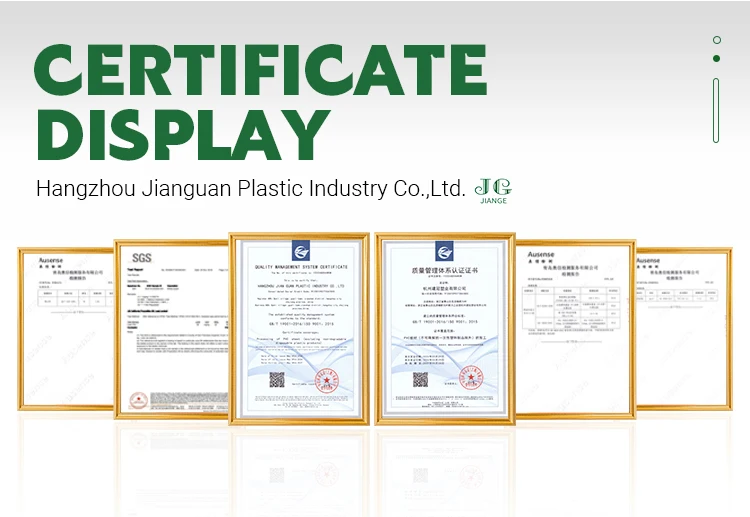
Environmental compliance is paramount in modern construction, and this WPC foam board delivers a completely sustainable, responsible choice. By repurposing manufacturing waste materials—such as sawdust and wood chips—alongside recycled thermoplastics (including packaging scraps and plastic bottles), the production process significantly reduces reliance on virgin wood, lowering deforestation rates, and diverts plastic waste from landfills. More importantly for indoor applications, it is manufactured with a strict zero-formaldehyde formulation, releasing no toxic off-gassing and remaining completely odorless. Backed by internationally recognized ISO and CE certifications, it guarantees compliance with stringent global environmental and safety standards, ensuring barrier-free entry into international markets. At the end of its extensive 15-25 year life cycle, the WPC board itself is 100% recyclable, minimizing long-term environmental impact.
Common Applications: Eco-friendly indoor flooring (homes, offices, retail spaces), hospital and school cabinetry, sustainable packaging materials, and landscape edging.
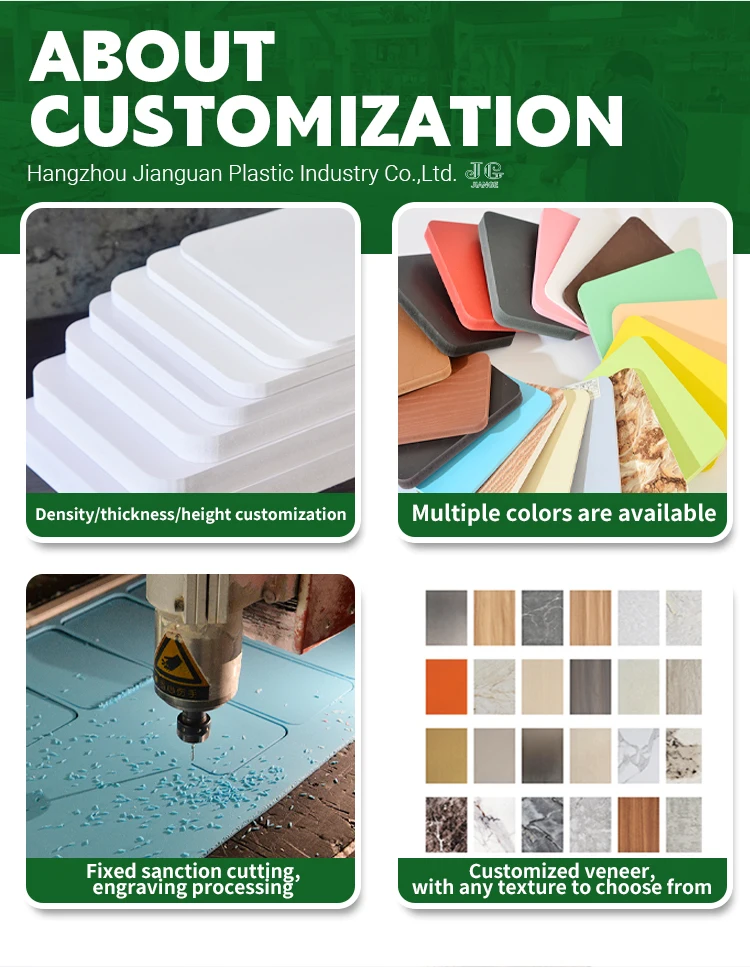
Aesthetic flexibility is engineered directly into the manufacturing process, allowing the WPC foam board to be extruded, molded, or cut into a wide array of shapes and sizes. Procurement teams can specify finishes ranging from deeply textured 3D embossing that perfectly mimics the visual depth and tactile grain of natural oak, pine, or teak, to smooth, sleek stone patterns and exact Pantone color matches. The co-extruded protective shield not only locks in these vibrant colors against UV fading but also provides a resilient, stain-resistant barrier. Whether a project demands the rustic charm of weathered wood or the clean lines of modern solid colors, the material adapts effortlessly. It also readily accepts specific performance additives (such as extra anti-UV agents or enhanced fire retardants) during the raw material mixing phase to suit specific regional climates and distinct design needs.
Common Applications: Premium interior wall panels, bespoke kitchen cabinets (door panels, drawer fronts), decorative trim, and automotive interior components (door panels, trunk liners).
While WPC may present a slightly higher initial purchase cost compared to low-grade natural wood, its total cost of ownership is drastically lower over time. It completely avoids repeated, compounding expenses on paint, stains, or replacement parts. When evaluated against traditional materials, the structural superiority is clear, aiding procurement teams in rapid decision-making:
| Performance Metric | WPC Foam Board | Traditional MDF | Pure PVC Foam |
|---|---|---|---|
| Waterproof Capability | 100% Waterproof, no swelling | Absorbs moisture, delaminates | Waterproof |
| Load-Bearing Capacity | Excellent structural rigidity | Moderate, prone to sagging | Low, bends under heavy loads |
| Anti-Deformation | High thermal stability | Warps with humidity changes | Deforms under high temperatures |
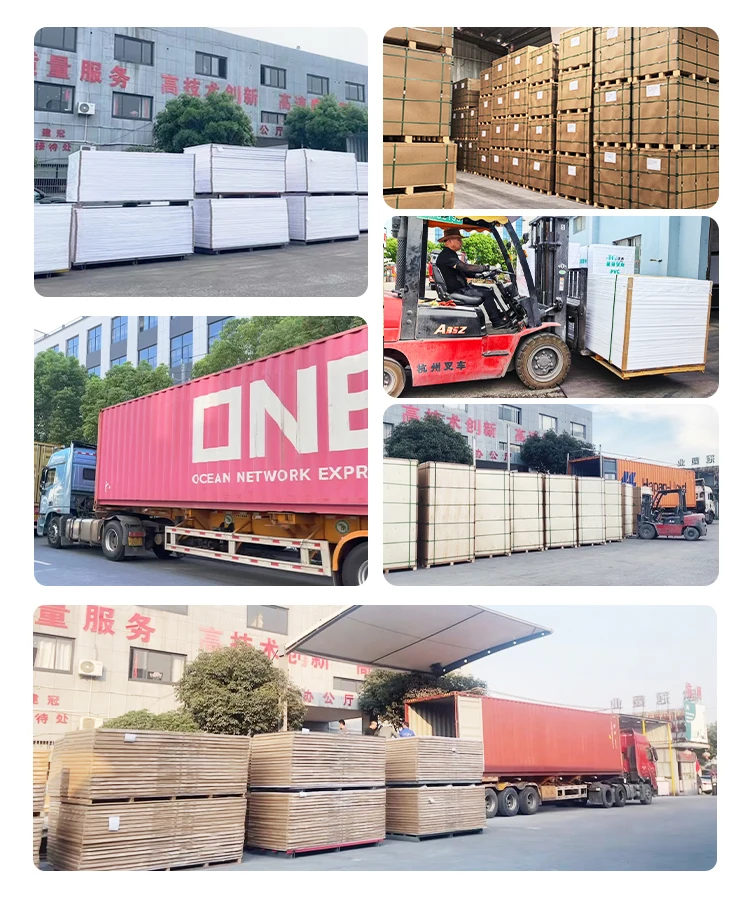
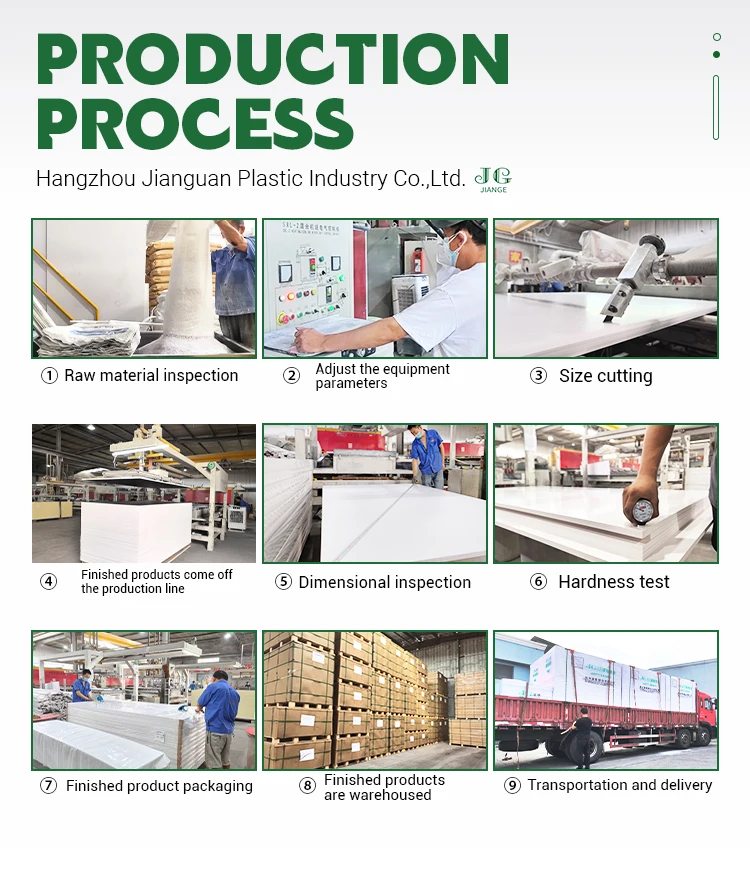
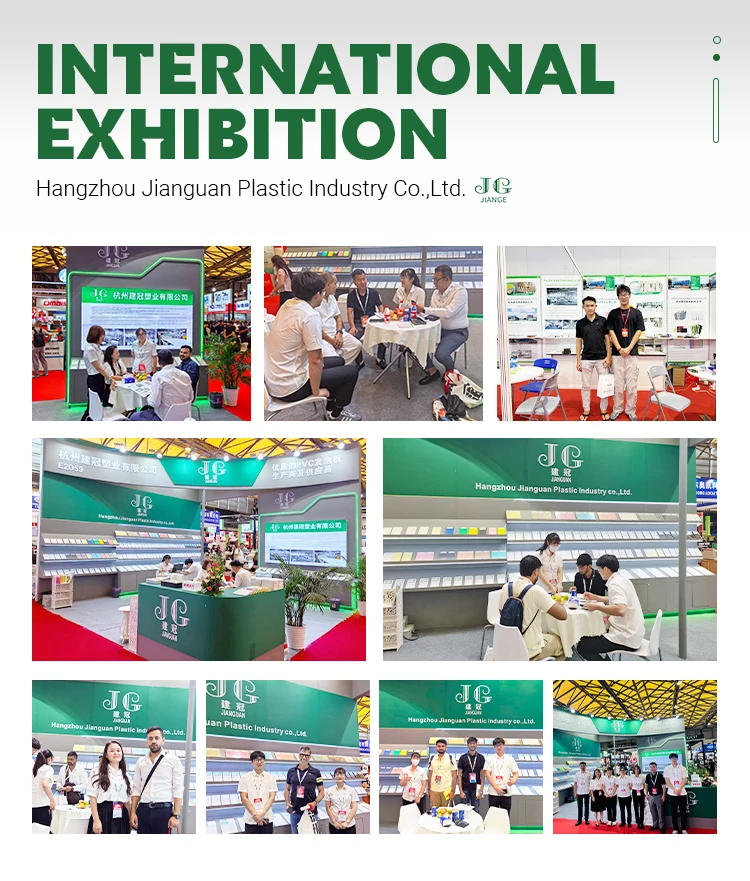
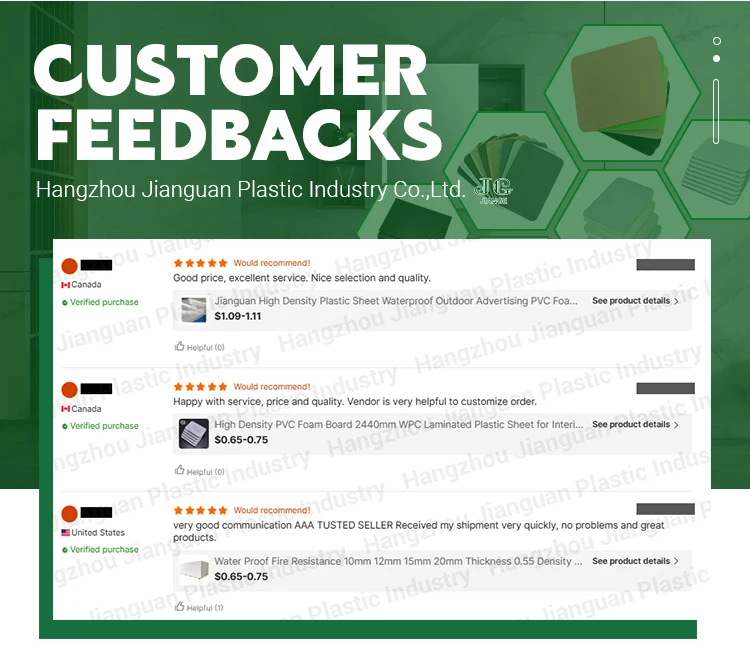
This consistent material superiority is achieved through a strictly controlled production methodology—from precise raw material mixing and high-temperature extrusion to uniform foaming—guaranteeing absolute batch-to-batch stability. To support large-scale commercial and industrial projects, the manufacturing facility provides a highly optimized supply chain. Buyers benefit from flexible, tiered Minimum Order Quantities (MOQs), rapid production cycles ensuring reliable 7 to 15-day delivery timelines, and complimentary sample testing for quality verification. Every international shipment is secured on heavy-duty, fumigation-free pallets, ensuring the boards arrive in pristine condition, ready for immediate deployment in commercial outdoor spaces, public park pathways, or affordable housing exterior finishes.